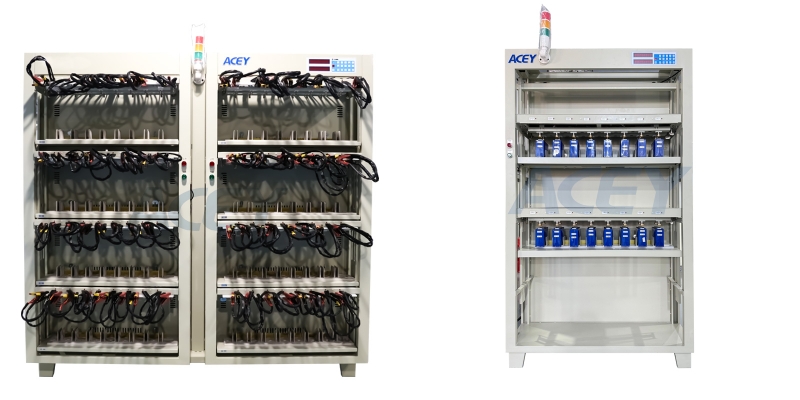
Präzise Zellenanpassung: Der letzte entscheidende Schritt für Hochleistungsakkus
Die präzise „Zuordnung“ der Zellen kann als nächster entscheidender Schritt nach der Sortierung verstanden werden und ist der „letzte Anstoß“, der die endgültige Leistung des Akkupacks bestimmt.
Vergleicht man die Bewertung mit dem „Scouting von Spielern“ (der Auswahl von Kandidaten mit ähnlichen Leistungsmerkmalen), so entspricht das Matching der „Teambildung“ – der Auswahl einiger weniger Zellen mit minimalen Unterschieden zwischen Kandidaten derselben Bewertung und deren Kombination durch Reihen- oder Parallelschaltung. Dadurch wird sichergestellt, dass die gesamte Batteriegruppe wie ein gut trainiertes Team zusammenarbeitet, anstatt gegen einzelne Zellen anzutreten.
Die Kernlogik lautet: „Die ähnlichsten Personen innerhalb derselben Klassenstufe finden.“ Die Einstufung beinhaltet die Definition eines breiten Spektrums und die Verwendung eines
Zellsortiermaschine
Zellen mit ähnlichen Kapazitäten (z. B. zwischen 100 und 101 mAh) werden zunächst gescreent. Anschließend erfolgt innerhalb dieses Bereichs ein Abgleich, wobei Zellen mit nahezu identischen Werten gruppiert werden.
Grundprinzip des Matchings: Absolute Konsistenz
Durch die Anpassung werden Zellunterschiede auf einen extrem kleinen Bereich begrenzt, um sicherzustellen, dass während der Nutzung:
-
Keine Kapazitätsverschwendung: Wenn die Kapazitäten in Reihe geschalteter Zellen stark variieren, muss die Gruppe den Ladevorgang stoppen, sobald die kleinste Zelle voll ist, und den Entladevorgang stoppen, sobald die kleinste Zelle leer ist. Durch die Anpassung der Zellen wird dieser „Eimereffekt“ vermieden.
-
Keine Lebensdauerverkürzung: Zellen mit großen Unterschieden erfahren ungleichmäßige Belastung. Einige werden ständig überladen oder tiefentladen, was zu einer deutlich geringeren Lebensdauer des Akkupacks im Vergleich zu einer einzelnen Zelle führt.
-
Garantierte Sicherheit: In einem Reihenschaltkreis fließt überall der gleiche Strom. Bei unterschiedlichem Innenwiderstand (IR) erzeugt die Zelle mit dem hohen IR übermäßige Wärme.
Drei Kernparameter: Das "Goldene Dreieck" des Matchings
Beim Abgleich werden drei Parameter berücksichtigt. Höhere Konsistenzanforderungen erfordern eine höhere Abgleichgenauigkeit.
-
Kapazitätsanpassung: Der wichtigste Indikator. Er erfordert minimale Kapazitätsunterschiede innerhalb derselben Gruppe (z. B. innerhalb von 0,5 % bei High-End-Elektrofahrzeugen oder Energiespeichern).
-
Anpassung des Innenwiderstands (IR): Der Innenwiderstand bestimmt die Wärmeentwicklung. Bei uneinheitlichen Werten erzeugen Zellen mit hohem Innenwiderstand unter hohen Strömen mehr Wärme, was die Alterung beschleunigt oder ein thermisches Durchgehen auslöst. Abweichungen müssen im Milliohm-Bereich ausgeglichen werden.
-
Spannungsanpassung: Die Spannung repräsentiert den Energiezustand. Unterschiedliche Anlaufspannungen belasten das Batteriemanagementsystem (BMS) stark. Für eine optimale Anpassung müssen die Leerlaufspannungsdifferenzen (OCV) im Millivoltbereich liegen (z. B. < 5 mV).
Präzise Gruppierung mit hoher Leistung
Batteriesortiermaschine
gewährleistet eine gleichmäßige Wärmeverteilung im gesamten Modul, wodurch das Risiko eines lokalen thermischen Durchgehens wirksam gemindert und die langfristige thermische Stabilität auch unter anspruchsvollen Entladezyklen aufrechterhalten wird.
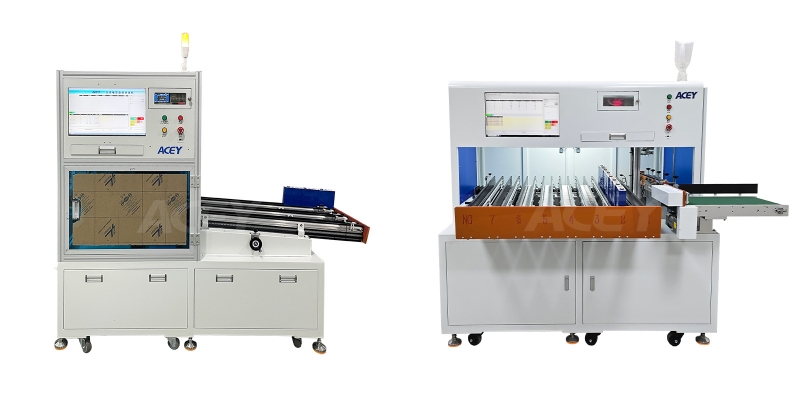
Prozessablauf: Von der „Klassifizierung“ zur „Paarung“
Der Gruppierungsprozess kann als Erweiterung und Verfeinerung des Tiering-Workflows betrachtet werden.
-
Sekundärprüfung: Vor dem Abgleich werden präzise Kapazitäts-, IR- und Spannungstests erneut durchgeführt, um Echtzeitdaten zu erhalten.
-
Algorithmischer Abgleich: Das MES-System führt Algorithmen aus, um aus dem riesigen Bestand Zellkombinationen zu finden, die den Präzisionsanforderungen entsprechen.
-
Physische Sortierung: Automatisierte Anlagen entnehmen die vorgesehenen Zellen aus dem Lager und legen sie in dafür vorgesehene Montagebehälter.
-
Zusammenbau zu Gruppen: Die Zellen werden im nächsten Schritt lasergeschweißt und miteinander verbunden, um ein komplettes Batteriemodul zu bilden.
Fortschrittliche Technologie: Dynamisches und Online-Matching
Herkömmliche Zellgruppierungsverfahren sind in der Regel „statisch“ – das heißt, sie erfordern das Abwarten einer bestimmten Zellanzahl, bevor die manuelle oder halbautomatische Zuordnung erfolgt. Moderne intelligente Fabriken hingegen nutzen einen dynamischen, integrierten Gruppierungsansatz mit folgenden Merkmalen:
-
Echtzeitbetrieb: Während sich die Zellen entlang der
automatische Batterie-Montagelinie
Ihre Testdaten werden in Echtzeit in die Cloud hochgeladen.
-
Globale Optimierung: Das System scannt kontinuierlich die Daten aller Zellen – egal ob sie sich aktuell im Lager befinden oder in der Produktion sind – in Echtzeit; sobald es eine Gruppe von Zellen mit perfekt übereinstimmenden Parametern identifiziert, gibt es sofort einen Befehl aus, diese an dieselbe Montagelinie weiterzuleiten.
-
Maximale Auslastung: Dieser Ansatz steigert die Zellauslastung deutlich, beseitigt Engpässe im Lagerbestand, die durch das Warten auf die Ansammlung bestimmter Zellmengen entstehen, und stellt sicher, dass jeder Akku, der das Werk verlässt, einen optimalen Zustand der Konsistenz erreicht.